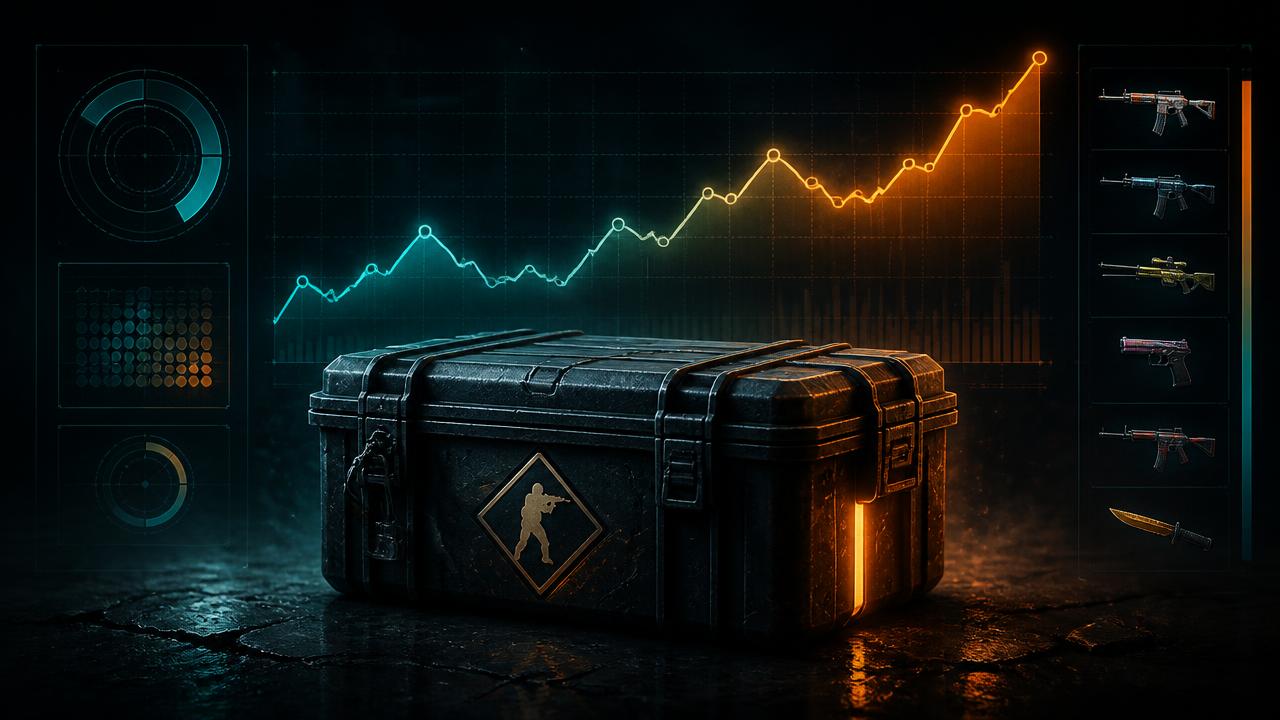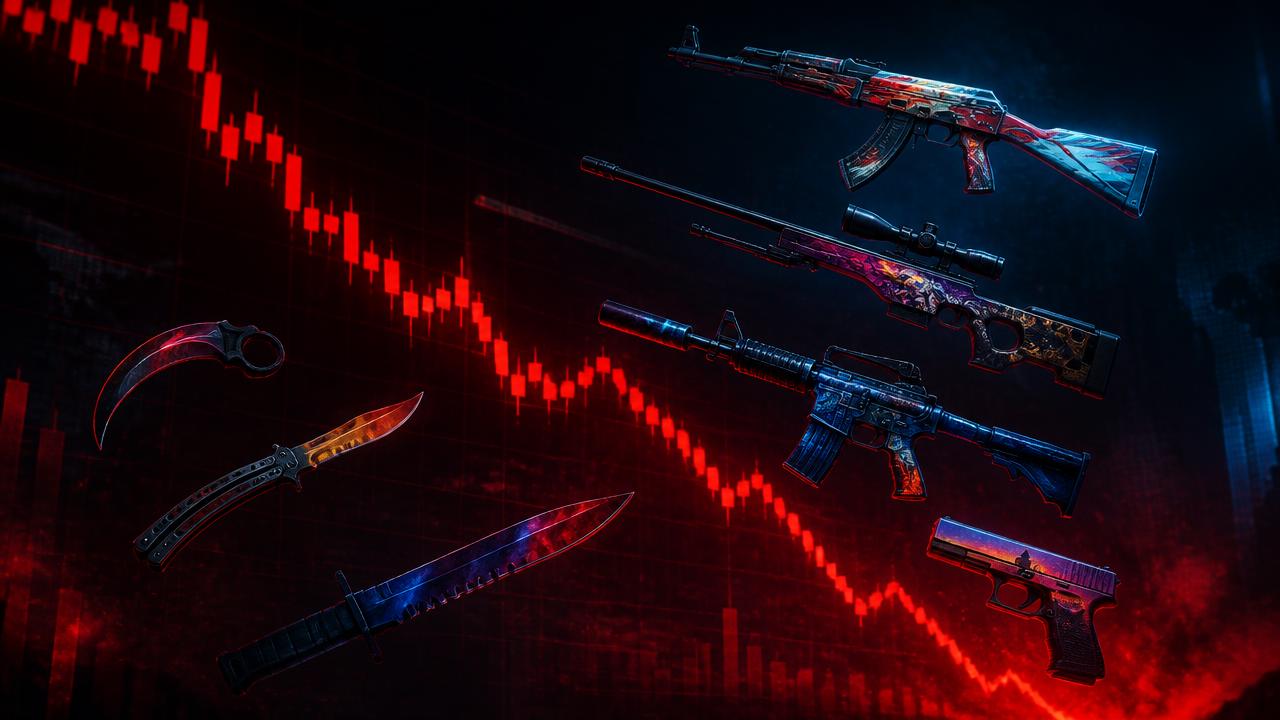

If you've checked the Steam Community Market lately, you've probably noticed: CS2 skins are expensive right now. An AK-47 Redline (Field-Tested) that sat around $12-14 for most of 2025 is now trading above $19. The AWP Asiimov has pushed past $38. Knife prices across the board are up 25-40% from six months ago. This isn't a blip — it's the most sustained price surge the CS2 skin economy has seen since the game's initial launch hype faded.
For players who hold skins, this is great news. For anyone depositing skins on CS2 gambling sites, the math just changed in ways worth understanding.
What's Driving the Price Surge
Several factors have converged to push prices higher in Q1 2026, and none of them look temporary.
Reduced case opening volume. The New York loot box lawsuit against Valve — which we've covered in detail here and here — has created genuine uncertainty around the future of case openings. While nothing has been restricted yet, the legal pressure appears to have dampened case-opening activity. Fewer cases opened means fewer new skins entering circulation, which tightens supply on existing items.
The CS2 player base keeps growing. Counter-Strike 2 consistently hits 1.2-1.4 million concurrent players in early 2026. More players means more demand for skins — especially popular playskins in the $5-50 range that people actually equip in-game. Supply isn't keeping pace with the growing user base.
Collector and investor activity. The skin market has matured beyond casual players trading loadouts. Dedicated collectors and speculators now treat rare skins as alternative assets, holding inventory off-market to wait for higher prices. This reduces the float of available items on platforms like CSFloat and Skinport, creating additional scarcity pressure.
Anticipated Copenhagen Major effect. Major tournaments historically drive engagement spikes. The upcoming Copenhagen Major is expected to bring a wave of new and returning players, further increasing skin demand. Past Majors have been followed by 10-15% price bumps on popular items within the month after the event.
How Higher Skin Prices Affect CS2 Gambling
When skin prices move significantly, it doesn't just affect traders — it changes the economics of skin gambling in practical ways.
Your deposits are worth more. If you deposit an AK-47 Redline that's now worth $19 instead of $13, you're getting roughly 46% more site balance from the same skin. For regular depositors, this is essentially a free bankroll boost — your existing inventory converts to more playing power than it did three months ago.
Case Battle stakes have shifted. On Case Battle platforms, the cases themselves contain items that are now worth more on the open market. This means the effective value of winning a case battle has increased — but so has the cost of entry, since case prices on gambling sites tend to adjust upward when the underlying skin values rise.
Withdrawals hit different. If you won skins three months ago and haven't withdrawn them, those items may now be worth 20-30% more than when you won them. Conversely, sites that allow you to withdraw at current market value are effectively paying out more than the original win was worth. Some platforms have adjusted withdrawal pricing to account for this — worth checking before you cash out.
Case Opening ROI calculations need updating. Players who track their case opening returns should recalculate expected values. Higher skin prices improve the payout side of the equation, but only if case costs haven't risen proportionally. On platforms like CSGORoll, case prices are worth comparing against the current market value of potential drops.
Winners and Losers in a Bull Market
Not everyone benefits equally when skin prices surge.
Winners: long-term holders. If you've been sitting on a skin inventory — whether from past gambling wins, trading, or just your personal loadout — your net worth in skins has increased significantly. Players who won skins on gambling sites months ago and never withdrew are sitting on unrealized gains.
Winners: sites with large skin reserves. Gambling platforms that hold skin inventories have seen the value of their reserves appreciate. This strengthens their ability to honor withdrawals and can improve liquidity for players requesting skin cashouts.
Losers: new depositors paying market price. If you're buying skins now specifically to deposit on a gambling site, you're paying peak prices. Your cost basis is higher, which means you need to win more just to break even compared to someone who deposited the same skin six months ago.
Mixed: gambling site operators. Higher skin values increase both the deposit value they receive and the withdrawal value they owe. Margins may or may not change depending on how each platform prices its cases and games relative to current market conditions.
Should You Deposit Skins Now or Wait?
This isn't financial advice — we review gambling sites, not run a hedge fund. But the practical question is valid: if your skins are worth more now, does it make sense to deposit them or hold?
If you were going to gamble anyway, higher skin values work in your favor. You're getting more balance per skin, which means more playing time or higher stakes from the same inventory. Just be aware that if prices drop later, you'll have traded a skin at its peak for gambling balance — which might sting if you lose it.
If you're on the fence, there's no rush. Skin prices don't typically crash overnight. The factors driving this rally — supply constraints, growing player base, legal uncertainty around cases — aren't going away next week. You have time to decide.
Either way, solid bankroll management matters more when values are elevated. Losing a $19 skin hits harder than losing a $13 one — even if the site balance looks the same.
What to Watch in Q2 2026
Several events in the coming months could either sustain this rally or trigger a correction:
- Copenhagen Major (April 2026): Historically bullish for skin prices. The influx of viewers and new players typically boosts demand. Watch for a pre-Major price run-up followed by a potential post-event cooldown.
- Valve's next case release: A new case introduction floods the market with fresh skins, which can redistribute demand away from older collections. If Valve drops a popular new case, some mid-tier skins from existing collections could see prices soften.
- New York lawsuit developments: Any court ruling — whether it's a motion to dismiss or a move toward settlement — could shift market sentiment dramatically. A ruling against Valve could spike prices further (less future supply from cases); a dismissal could ease uncertainty and normalize activity.
- Steam summer sale period: Seasonal Steam sales have historically correlated with increased marketplace activity. More items change hands, which can introduce short-term volatility.
The CS2 skin market has never been bigger or more complex. Whether you're gambling, trading, or just holding your loadout, understanding these dynamics helps you make smarter decisions with real value on the line.